Tyson Wrensch: Before Someone Gets Hurt
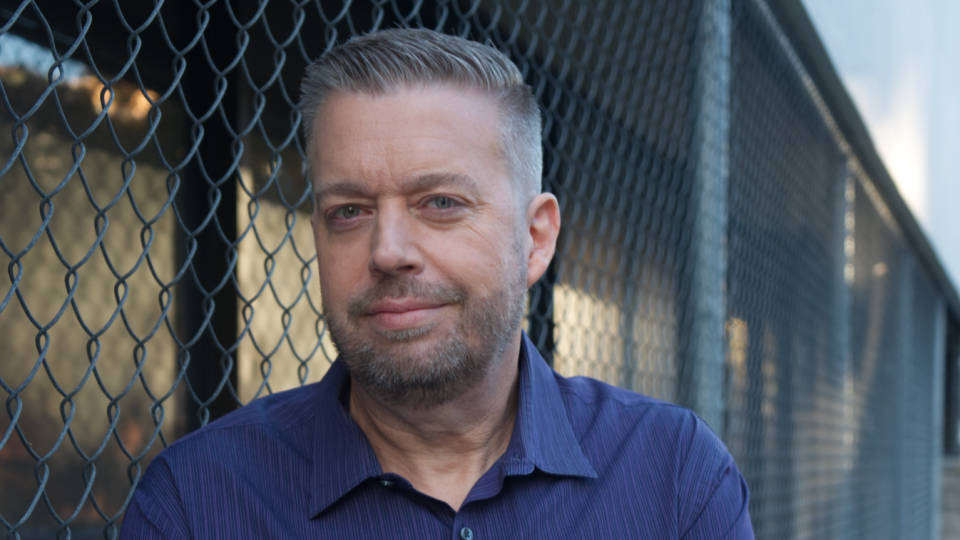
I’ve known Tyson Wrensch as a friend and, more importantly, as a relentless truth-teller. Long before national television took interest, I followed his story from page to podcast—hooked first by the book "Until Someone Gets Hurt," then swept into the raw intimacy of True Crime News Presents: American Hustlers. Now, watching the Dateline NBC episode bring his journey to a national audience, I feel what so many viewers are feeling: awe at his endurance, anger at the failures that allowed a con to escalate, and gratitude that he never stopped pushing—not when it got complicated, not when it got lonely, not even when he was told nothing could be done “until someone gets hurt.”
That single sentence, delivered by an LVMPD detective, became both a title and a haunting thesis. It’s the systemic flaw Tyson has devoted years to exposing: that financial and emotional harm are too often dismissed until they turn physical—until they leave a body. Tyson could have taken his reimbursement and walked away. He didn’t. He kept calling, connecting, documenting. He turned personal loss into a public warning.
And that warning is urgently needed here in Las Vegas and across our LGBTQ+ community—where charisma and connection are currency, where we take pride in openness, where opportunists sometimes wear the language of love, opportunity, and belonging like a costume. Tyson’s message isn’t “close your heart.” It’s “keep your heart open, and your eyes wide.”
“Why do you care?”—The moment that changed everything
When Tyson first tried to get real action on the case, he was told what many victims hear: the bank made you whole; move on. “A Wells Fargo investigator literally asked me, ‘You got your money back—why do you care?’” Tyson recalls. “I couldn’t believe how little anyone cared. I knew there were more victims. I knew this wouldn’t stop.”
It didn’t. And as the story grew, Tyson did what the system wouldn’t: he connected dots. Back in the pre-iPhone, pre-Facebook days, he tracked a former “friend” via MySpace and tumbled into a web of other people who’d been hurt. Each call confirmed a pattern. Each pattern highlighted a gap. Each gap made that line—“until someone gets hurt”—feel less like policy and more like permission.
Tyson: “The truth is an anchor. Through eighteen years of chaos, anchoring to the truth kept me sane and moving forward.”
When true crime tells the wrong truth
There’s a reason Tyson’s story resonates beyond the facts of one case: it challenges the glamorization of villains that dominates so much of true-crime culture. We’ve all felt it—the way prestige TV and docu-series can turn a charismatic killer into a complicated icon while the ripple effects on victims, families, and communities fade into the background.
Tyson’s next chapter aims to flip that narrative. He’s now allowed to talk about the forthcoming scripted television series based on his story—a Warner Bros. multi-episode project with a tier-one streamer to be announced. What excites him most isn’t the scale; it’s the approach.
Tyson: “We’re not glamorizing the murderers. We’re focusing on people who did the right thing—the ones who chose a moral compass and acted for others.”
The writer attached, known for sleek con-and-crime hits, pushed Tyson on a crucial question: why did he keep going when so many others stopped? Tyson told him about his coming-out plan—how he built financial, social, and emotional independence before telling his family. Then came the revelation.
Tyson: “The writer said, ‘Tyson, he didn’t just take your money—he stole all three.’ That’s when it clicked. He had taken everything I built to be myself. That loss is what drove me.”
The moment that made the script sing was not a twist; it was a truth. It reminded everyone that justice stories aren’t just about crime—they’re about identity, dignity, and the quiet systems people build to feel safe in the world.
Dateline NBC: the reach of a warning
The Dateline NBC episode—The Prince, The Whiz Kid & The Millionaire—centers law enforcement’s perspective and the ultimate consequences. The podcast, by contrast, spotlights victims and Tyson’s citizen-detective work. The book lays the foundation. Together, they form a truth-triad: facts, feelings, and fallout.
Tyson: “If they had cut me out of the Dateline episode, I would’ve been fine. This is about the warning. The scammers aren’t gone; they never are.”
He’s right—and the stakes are rising. Scam losses across the country have grown year over year. Behind the numbers are lives: twentysomethings enticed by “get rich quick,” elders targeted for their savings and loneliness, LGBTQ+ folks exploited in dating spaces and nightlife where status can be a mask.
We’re not just telling a cautionary tale. We’re asking the same system that shrugged at “reimbursed” fraud to treat these crimes as the violent escalations they can become.
Vegas, vulnerability, and the “ether”
Las Vegas is magnetic. It invites reinvention and rewards sparkle. That’s why we love it—and why we have to be smart. Tyson describes the “ether,” that high-emotion fog where desire overrides common sense: the name-dropping, the private-jet stories, the “I’m a cop” or “I’m a producer” claims that can’t quite be verified, the pressure to act fast.
In our conversation, I shared a recent situation at a club that turned out to involve impersonation, chargebacks, forged pay stubs—the works. Even with evidence, even with pattern recognition, even with community vigilance, getting authorities to connect cases can be maddening. Crossing state lines? Try the FBI. But white-collar divisions and priorities shift. Momentum is hard. Shame isolates victims. That’s exactly why Tyson keeps speaking up.
Tyson: “There’s no such thing as a little yellow flag. Every flag is a red flag. Trust your gut. It’s okay to lose a ‘friend.’ There are 8 billion people on this planet.”
Prevention beats restitution
We talked about tangible steps anyone in Clark County (and beyond) can take to harden their defenses—because prevention is the part of justice we control.
• Title alerts: Clark County’s Recording Notification Service (RNS) emails you if anything hits your property title. It won’t stop a fraudulent filing, but it can help you intervene before damage snowballs.
• Victim support: Local victim advocacy networks can connect people not only to counseling and community, but also to resources—emergency housing assistance, guidance on reporting, and (where applicable) access to Victims of Crime funds.
• Dating & app safety: Don’t share personal numbers or identifying photos until you’ve verified who’s on the other side. “Catfish” sextortion is real—especially for teens and public figures. If you’re being threatened, preserve evidence and report immediately.
• Too-good-to-be-true hustle: Fast “work-from-home” placements, overpayment checks, “equipment reimbursements,” and third-party links are major scam tells. Recruiting via LinkedIn/ZipRecruiter isn’t proof; verify independently.
• Community check: Before you invest trust, ask around. In cities like Vegas, LA, and NYC, reputations—good and bad—travel fast among people who’ve been here a while.
Tyson: “We need victims to come forward. Not just to heal, but to build the statistics that force change. Right now, too many agencies won’t investigate if a bank has reimbursed you. On paper, it looks ‘resolved.’ In reality, the predator is still hunting.”
Q&A: The heart of the fight
Q (Garrett): Watching your life play out on Dateline—what hit you hardest?
Tyson: Relief that the warning is out there. Anger that it took so long to be heard. Pride—not in being on TV—but in every person who chose to speak up so others wouldn’t get hurt.
Q: What should our community watch for in nightlife and dating spaces?
Tyson: Pressure, secrecy, urgency, and unverifiable clout. Name-dropping you can’t check. Requests for money disguised as tests of loyalty. And if you’re leading with wealth to attract love—be careful what you’re attracting.
Q: What do you tell someone ashamed they “fell for it”?
Tyson: Shame is the predator’s favorite shield. You did nothing wrong by trusting. You protect others by telling the truth now.
Q: If readers keep only one lesson?
Tyson: Anchor to the truth. In chaos, truth keeps you steady. Then act—because action is how truth becomes justice.
From chaos to clarity
Eighteen years is a long time to stay steady. Tyson didn’t do it by pretending everything was fine. He did it by naming what wasn’t. He did it by deciding that the work of justice wasn’t somebody else’s job. He did it by choosing community over comfort—by refusing to let silence be the price of being “made whole.”
The upcoming Oxygen segment (The Plan to Kill) will add another layer; the Warner Bros. scripted series promises a bigger one. But I hope the impact lands locally first. I hope our readers—especially those new to town or newly out, the dreamers and doers who give Las Vegas its neon heartbeat—take Tyson’s story as permission to be both open and alert, generous and grounded.
Because prevention is not cynicism. It’s love with boundaries.
Closing: Stand up before it’s too late
As we wrapped, I told Tyson what I’ll tell you: Justice doesn’t always begin in court. Sometimes it begins with a friend who won’t look away. Sometimes it’s the manager who makes the hard call. The bartender who says, “Are you okay?” The partner who checks the bank account. The neighbor who asks a second question. The editor who gives a platform to a warning that could save a life.
Tyson turned disbelief into determination, pain into purpose, and isolation into awareness. His story is more than entertainment. It’s a reminder that silence protects predators—but courage exposes them.
If you missed it, watch the Dateline NBC episode The Prince, The Whiz Kid & The Millionaire (aired October 10). Read Until Someone Gets Hurt. Listen to True Crime News Presents: American Hustlers. Then do the most important part: talk to someone you love about what you learned.
Keep your heart open—and your eyes wide. Act before someone gets hurt.
Dateline NBC: “The Prince, The Whiz Kid & The Millionaire” aired October 10 and is available at www.nbc.com/dateline
Until Someone Gets Hurt:
a.co/d/j5jbcly
True Crime News Presents Podcast:
pod.link/1792472065
Quick Actions to Protect Yourself & Others
■ Sign up for Clark County’s Recording Notification Service (RNS) to get email alerts on any title activity.
■ Use victim advocacy hotlines and local LGBTQ+ centers for confidential support and referrals.
■ Verify identities (employer numbers, badge IDs, business emails) independently—don’t use the contact info a stranger provides.
■ Report and document: save texts, DMs, emails, screenshots, and transaction IDs.
■ Tell someone you trust if a situation feels off—shame isolates; community protects.